


James Hardie Siding in Wales, MA
Homes around Lake George and the other water bodies in Wales take a beating that inland houses in Worcester County don’t see. Wind carries hard off the open water and drives rain sideways into the lake-facing wall, and a lot of what’s on those walls right now is either 1970s-1980s vinyl or, on the older cottages, whatever siding went up when the place got converted from a seasonal camp to a year-round home. James Hardie fiber cement is the material we point people toward for that water-side exposure, because it doesn’t cup, buckle, or let wind get behind it the way lighter panel products can.

What James Hardie Siding looks like in Wales
Fiber cement is heavier than the siding it’s replacing on most Wales jobs, and that changes how we approach the work before a single board goes up. Hardie panels and lap siding run roughly two to three times the weight per square foot of vinyl, which means the wall behind it has to actually be sound. On lake-side additions and converted cottages, that’s not always a given.
We spec HZ5 boards for the exposure category most Wales properties fall into, since that rating is built for high-wind, high-moisture regions rather than a mild coastal climate that doesn’t apply here. For color, most homeowners on the water side go with ColorPlus finish rather than field paint. ColorPlus is baked on at the factory, it holds up better against the driven rain the lake side takes every spring and fall, and it comes with a longer finish warranty than a repaint job ever will. Field-painted Hardie still has a place, mostly on interior-lot homes away from the water where the finish isn’t fighting the same conditions, and it lets a homeowner match trim colors already on the house.
Cutting fiber cement generates silica dust, and that’s not something we treat casually. We cut outside, downwind of open windows and any neighbor’s yard, using shears or dust-collecting saws depending on the cut. On a lake lot with a dock and a patio in use, that matters to the people living there, and we plan the cut station accordingly rather than setting up wherever’s convenient.
What we account for on Wales homes
Older clapboard behind the existing exterior
One of the first things to check on an older Wales house is what sits behind the current siding. A 1970s or 1980s exterior may have been installed over original wood clapboard. Removing it can reveal damaged boards, uneven areas, or sections that need repair before the new siding can be installed. The condition of that layer is part of the project, not something to ignore until the end.
Heavy material on an older wall
Fiber cement is heavier than the lightweight siding it may be replacing. That means the wall surface and fastening locations need to be considered before installation. The crew accounts for the existing substrate, checks areas where the old exterior has failed, and plans the installation around the actual condition of the house rather than assuming every wall is sound.
Cutting and dust control
Fiber cement needs to be cut to fit around windows, doors, corners, and other details. Cutting produces dust, so the work area has to be managed accordingly. That means using appropriate cutting methods and keeping dust from spreading unnecessarily around the property. The goal is to keep the installation controlled while producing accurate cuts for the exterior details.
ColorPlus or field-applied paint
Wales homeowners have two basic finish approaches to consider. ColorPlus siding arrives with a factory-applied finish, while primed siding can be painted after installation. James Hardie says ColorPlus finishes are cured in a controlled factory environment and are designed to provide consistent color and improved resistance to UV-related fading. The right choice depends on the look you want, the available colors, and how you want the finished project handled. We can price the options as part of the estimate.
What we account for on Wales homes
Site visit and scope
Water-side wind and driven rain
The lake-facing elevation gets wind-driven rain that a landlocked house never deals with. We flash every window and door head on that wall with the assumption that water will hit it directly, not just run down the face of the siding. Weather-resistive barrier laps and seams get taped, not just stapled, on that side of the house.
Undersized framing behind old cottage walls
A fair number of Wales homes started as camps and got walled in for year-round use without anyone upgrading the studs behind the siding. Fiber cement’s extra weight means we check stud spacing and condition before we commit to a fastening pattern. If the framing’s undersized for the load, we say so and price the fix before we hang a single board, not after.
Missing insulation and vapor control
Converted cottages frequently have no insulation and no vapor barrier behind the original siding at all, just board sheathing and open stud bays. Once we strip the old siding we can see exactly what’s there. If there’s no vapor control, we install it as part of the job so the new Hardie siding isn’t trapping moisture against bare studs.
Rot at the water side, found early
We check the lake-facing wall for rot at the quoting stage, before we give a number, not after demo has already started. Sustained wind-driven rain finds every gap in old siding over enough years, and the sheathing behind it on the water side is the first place that shows.
Remove, Prepare, Install
How the job runs
Assessment and measurement — We walk the exterior, pay close attention to the water-facing wall, probe any soft spots, and take exact measurements for panel and trim quantities. This is also when we check framing and existing insulation where we can access it.
Tear-off and sheathing repair — Old siding comes off in sections, not all at once, to limit how long the wall is exposed. Any rotted sheathing or undersized framing found here gets repaired before house wrap and flashing go on. This is the step where a converted cottage can add a day or two if the framing needs work.
Hardie installation and finish — Panels or lap siding go up per Hardie’s fastening spec for the exposure rating, with all cuts made off the house. ColorPlus boards get touched up at seams and cuts with matching touch-up paint; field-paint jobs get their final coat once trim is set. A full Wales house typically runs five to eight working days depending on size and what the tear-off turns up.
Detail work and final check
Recent work in and around Wales
A common job on this lake is a full re-side of a converted cottage where the owners bought a summer place years back and have been living in it full time. The old siding usually comes off to reveal board sheathing with no wrap and no insulation in the stud bays, especially on additions built onto the original camp footprint. We install proper WRB and vapor control at that point, address any soft framing near the water-facing corners, and put up Hardie lap siding in ColorPlus finish on the exposed side, sometimes with a field-painted match on the street side to keep cost down where the exposure is lower. It’s rarely a simple swap of old panel for new panel once the wall is open, and we build that expectation into the quote up front rather than surprising the homeowner mid-job.
Other services we provide in Wales
Fiber cement isn’t the right fit for every budget or every house, and we install vinyl siding on plenty of Wales homes where it makes more sense for the exposure and the price point. If your current siding just needs patching rather than a full re-side, we handle siding repair too, and if you’re past the point of small fixes, siding replacement covers full tear-off jobs whatever the material. We also install seamless gutters, which matter more than usual here given how much water comes off a roof during a hard lake storm, and we do replacement windows and doors as part of the same crew visit if you’re opening up the wall anyway. If you’re still deciding what direction to go, our general siding contractor page for Wales lays out how we weigh vinyl against fiber cement for a given house.
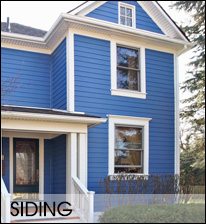
Why homeowners choose fiber cement over vinyl here
The decision usually comes down to three things on Wales properties: fire performance, impact resistance, and how the material handles sustained wind on the water side. Fiber cement is noncombustible, which matters to some owners near wooded lake lots. It also resists denting from hail and yard debris better than vinyl, and it doesn’t flex or rattle in sustained wind the way lighter panel siding can on an exposed lake-facing wall. The tradeoff is cost and installation time — fiber cement runs higher than vinyl per square foot and takes a crew longer to install correctly because of the weight and the cutting process. For a full-time residence on the water, most owners decide the extra durability is worth the higher ticket. For a rarely-used camp on a sheltered inlet, vinyl often makes more financial sense, and we’ll say so if that’s what the house tells us.
Frequently Asked Questions
Is James Hardie siding worth the extra cost over vinyl for a Wales home?
For water-facing homes taking sustained wind and driven rain, most owners find it worth it. Fiber cement resists wind flex and impact better than vinyl and holds a ColorPlus finish longer than vinyl color lasts. For a sheltered lot or a rarely-used seasonal property, vinyl often makes more financial sense, and we'll tell you that honestly at the estimate.
How do you handle wind-driven rain on the lake side of my house?
We flash window and door heads assuming direct water contact, tape all weather-resistive barrier seams rather than just stapling them, and use Hardie's HZ5 exposure-rated boards. That combination is built for high-wind, high-moisture sites, which describes the water-facing wall on most Wales lots.
What happens if you find rot or bad framing once the old siding is off?
We stop and show you before going further. On converted cottages it's common to find undersized studs, no insulation, or no vapor barrier behind the original siding. We price any sheathing or framing repair as a clear add before we install new boards, not after the job's finished.
How long does a full James Hardie install take on a Wales house?
A typical full re-side runs five to eight working days depending on house size and what the tear-off reveals. Converted cottages with framing repairs needed can add a day or two beyond that.
Should I choose ColorPlus or field-painted Hardie siding?
For the lake-facing wall, ColorPlus is the better call because the factory finish holds up longer under driven rain than a field-applied coat. On the street side, away from direct water exposure, field paint is a fine option and lets you match existing trim colors more precisely.
Free James Hardie estimates for Wales homeowners
Better Way Home Improvement offers free, no-obligation estimates for James Hardie siding projects in Wales. We’re licensed and insured, and we’ll walk your property with you to look at the current exterior, talk through color and profile choices, and answer questions before putting together a clear project scope and cost.
- No pressure, no hidden fees
- Straightforward scope and pricing