


James Hardie Siding in Grafton, MA
Most of the calls we get from Grafton start the same way: a homeowner on a street of nineteenth-century mill housing or a worker cottage near the Common wants siding that will outlast the last repaint. If your house still has original wood clapboard nailed straight to board sheathing, with no housewrap behind it, fiber cement is the material that solves that problem for good instead of covering it up. This page is about James Hardie specifically, not vinyl, and what it takes to install it on the kind of house Grafton actually has.

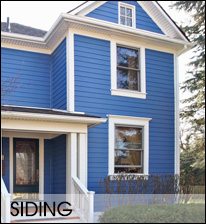
What James Hardie Siding looks like in Grafton
Fiber cement is heavier than the vinyl or aluminum most of these houses have worn at some point. A single square of Hardie lap siding weighs several times what vinyl does, which changes how the crew stages material and how the wall assembly underneath has to perform. On a triple-decker or a tight mill-lot cottage with no housewrap and old board sheathing, that weight is actually the point: it holds flat against the wall, doesn’t oil-can in the sun, and won’t rattle loose the way old aluminum does once the fasteners work free.
Cutting it is different too. Hardie board is cement, sand, and cellulose fiber under pressure, and cutting it dry throws silica dust that isn’t something a crew should be breathing or leaving on a neighbor’s driveway on a tight Grafton lot. We cut with shears or a saw fitted with a HEPA vacuum shroud, and on rowhouse-close lots we plan cut stations away from open windows and play areas before the first board goes up.
The other decision every Grafton homeowner runs into is ColorPlus versus field-applied paint. ColorPlus is baked on at the factory, comes with its own finish warranty, and holds color longer against UV and salt air carried up from the coast on a nor’easter than a job-site paint job ever will. Field paint costs less up front and gives you more color flexibility, which matters if you’re trying to match trim on a historic-district house near the town center. We lay out both options with actual pricing before you decide, because the right answer depends on the house, not on what’s easier for us to install.
What we account for on Grafton homes
Older clapboard behind the existing exterior
One of the first things to check on an older Grafton house is what sits behind the current siding. A 1970s or 1980s exterior may have been installed over original wood clapboard. Removing it can reveal damaged boards, uneven areas, or sections that need repair before the new siding can be installed. The condition of that layer is part of the project, not something to ignore until the end.
Heavy material on an older wall
Fiber cement is heavier than the lightweight siding it may be replacing. That means the wall surface and fastening locations need to be considered before installation. The crew accounts for the existing substrate, checks areas where the old exterior has failed, and plans the installation around the actual condition of the house rather than assuming every wall is sound.
Cutting and dust control
Fiber cement needs to be cut to fit around windows, doors, corners, and other details. Cutting produces dust, so the work area has to be managed accordingly. That means using appropriate cutting methods and keeping dust from spreading unnecessarily around the property. The goal is to keep the installation controlled while producing accurate cuts for the exterior details.
ColorPlus or field-applied paint
Grafton homeowners have two basic finish approaches to consider. ColorPlus siding arrives with a factory-applied finish, while primed siding can be painted after installation. James Hardie says ColorPlus finishes are cured in a controlled factory environment and are designed to provide consistent color and improved resistance to UV-related fading. The right choice depends on the look you want, the available colors, and how you want the finished project handled. We can price the options as part of the estimate.
What we account for on Grafton homes
Site visit and scope
Lead paint on pre-1978 siding
Nearly everything built before 1978 in this town falls under lead-safe work practice rules once we start removing old siding. Our crew is trained in containment and cleanup to that standard as a matter of course, not as an add-on charge you find out about later.
Board sheathing with no housewrap
Plenty of these houses were built before housewrap existed. When we strip old siding down to the boards, we install a code-compliant water-resistive barrier before the first piece of Hardie goes up, which is the single biggest performance upgrade the house gets out of this project.
Undersized rakes and trim returns
Original mill-house trim was often cut thin by today’s standard, and it doesn’t always give Hardie’s factory boards enough reveal to land cleanly. We build out rakes and returns as needed rather than forcing standard trim over dimensions the house was never built for.
Rot at the sill from grade creep
Decades of driveway repaving, mulch buildup, and yard regrading have pushed soil up against a lot of these sills. Where we find soft or rotted framing at the base of a wall, we cut it out and sister or replace the framing before siding goes back on, and we’ll show you the damage before we close it up.
Remove, Prepare, Install
How the job runs
Walkthrough and material plan
We look at the whole exterior, note lead-paint era, sheathing condition, and any sill or grade issues, and put together a written scope and price. This usually takes under an hour on site.
Tear-off, prep, and staging
Old siding comes off in lead-safe containment where required, housewrap and flashing go on, and any rot repair happens before a single Hardie board is installed. On narrow Grafton lots, staging material and placing the dumpster gets worked out before the crew ever shows up with a truck.
Installation and cleanup
Boards, trim, and caulking go up to Hardie’s fastening and clearance specs, and we do a final walk with you before we call it done. A typical single-family Grafton job runs one to two weeks depending on size and how much sheathing repair we find once the old siding is off.
Detail work and final check
Recent work in and around Grafton
A common job on this stock is a two-story worker cottage or converted farmhouse near the Blackstone River corridor, original clapboard still on the walls, sill rot at one or two corners where grade has crept up over the years, and no housewrap anywhere on the house. The plan is usually the same: lead-safe tear-off, sistered framing at the rot, full housewrap and flashing, then Hardie lap siding with ColorPlus finish so the owner isn’t repainting in five years. We don’t publish customer names or addresses, but this is the profile we run into most weeks in Grafton.
Other services we provide in Grafton
Fiber cement isn’t the right call for every budget or every house, and we quote it alongside vinyl siding installation so you can compare real numbers. If your existing siding just needs patching rather than a full tear-off, ask about siding repair first. When the whole exterior is due, our siding replacement page covers the tear-off and decision process in more depth. We also handle seamless gutters and replacement windows and doors, which often get done in the same visit as siding since the crew and staging are already on site.
Free estimates in Grafton
Grafton is about 11.1 miles from our shop in Grafton, and it’s a regular stop for us. Call (508) 506-8957 for a free estimate. We’ll look at your house, tell you honestly whether fiber cement fits your budget and your walls, and give you a written price before you decide anything. If you go ahead, we’ll schedule the tear-off and walk you through lead-safe prep, sheathing repair, and install timeline up front, so there are no surprises once the crew is on your lot.
Frequently Asked Questions
Does James Hardie siding cost more than vinyl in Grafton?
Yes, usually noticeably more per square, both in material and labor, since it's heavier and needs different cutting and fastening. We quote both side by side so you can see the real gap for your specific house rather than a rule of thumb.
My Grafton house was built before 1978. What does that mean for the job?
It means lead-safe work practices apply once we start removing the old siding. Our crew follows containment and cleanup procedures for lead-painted surfaces as standard practice, not as an extra line item you find out about mid-job.
What happens if you find rot or damage once the old siding comes off?
On houses this age it's common, especially at sills where grade has risen over the decades. We stop, show you what we found, and price the repair separately before closing the wall back up. It's rarely a surprise given the age of the housing stock here.
Should I choose ColorPlus or have the siding painted on site?
ColorPlus is factory-baked, holds color longer, and carries its own finish warranty. Field paint costs less and gives more flexibility for matching historic trim near the town center. We price both so you can decide based on your house and your budget.
How long does a James Hardie siding job take on a typical Grafton house?
A single-family home usually runs one to two weeks from tear-off to final walkthrough, depending on the size of the house and how much sheathing or framing repair we uncover once the old siding is off.
Ready to talk siding for your Grafton home?
Whether your Grafton home needs a full re-side or repair to damaged sections, Better Way Home Improvement can walk you through James Hardie’s siding options and help you choose the right profile and color for your house.
- On-site evaluation of current siding condition
- Guidance on style, thickness, and finish choices
- Straightforward scope of work before any commitment