


James Hardie Siding in Millville, MA
Millville’s housing stock is mostly nineteenth-century mill worker cottages and triple-deckers, built tight to the street on narrow lots, with original wood clapboard nailed straight over board sheathing and no housewrap behind it. That combination is exactly why James Hardie fiber cement comes up so often when we quote here. It handles moisture and rot better than the old wood it’s replacing, and it doesn’t flex the way vinyl does over a wall that was never built flat to begin with. If your house still has its original clapboard, or a layer of vinyl someone put up over it in the 1980s, Hardie is worth a real look before you decide what goes back on the wall.

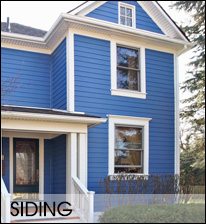
What James Hardie Siding looks like in Millville
Fiber cement is heavier than vinyl, by a wide margin. A square of HardiePlank runs close to 300 pounds, versus roughly 60 for vinyl. On a triple-decker or a mill cottage with an old sill and a foundation that has settled a little over 130-plus years, that weight has to land on framing that can actually take it. Before we order material we check the wall for soft spots, confirm the sheathing underneath is sound, and plan fastening so the load is carried correctly rather than just nailed to whatever is there.
The other piece that matters in Millville specifically is what’s already on the house. A lot of this stock is pre-1978, which means lead paint is a real possibility on the original clapboard and on any trim underneath a later layer of vinyl or aluminum. Cutting fiber cement also produces silica dust, and cutting it near lead paint means we’re managing two containment problems at once, not one. We score-and-snap or shear most cuts on site instead of dry-cutting with a saw, and we set up dust and debris control before the first piece of old siding comes off, not after.
On the finish side, most Millville jobs go with factory-applied ColorPlus rather than field paint. ColorPlus is baked on at the plant, it holds color longer than a job-site paint job, and it means no one has to get a ladder onto these tight lots again in a few years to repaint. Fiber cement also carries a Class A fire rating and resists hail and impact better than vinyl, which matters on lots where houses sit close enough together that a fire or a falling branch is other people’s problem too.
What we account for on Millville homes
Older clapboard behind the existing exterior
One of the first things to check on an older Millville house is what sits behind the current siding. A 1970s or 1980s exterior may have been installed over original wood clapboard. Removing it can reveal damaged boards, uneven areas, or sections that need repair before the new siding can be installed. The condition of that layer is part of the project, not something to ignore until the end.
Heavy material on an older wall
Fiber cement is heavier than the lightweight siding it may be replacing. That means the wall surface and fastening locations need to be considered before installation. The crew accounts for the existing substrate, checks areas where the old exterior has failed, and plans the installation around the actual condition of the house rather than assuming every wall is sound.
Cutting and dust control
Fiber cement needs to be cut to fit around windows, doors, corners, and other details. Cutting produces dust, so the work area has to be managed accordingly. That means using appropriate cutting methods and keeping dust from spreading unnecessarily around the property. The goal is to keep the installation controlled while producing accurate cuts for the exterior details.
ColorPlus or field-applied paint
Millville homeowners have two basic finish approaches to consider. ColorPlus siding arrives with a factory-applied finish, while primed siding can be painted after installation. James Hardie says ColorPlus finishes are cured in a controlled factory environment and are designed to provide consistent color and improved resistance to UV-related fading. The right choice depends on the look you want, the available colors, and how you want the finished project handled. We can price the options as part of the estimate.
What we account for on Millville homes
Site visit and scope
Millville’s mix of older farmhouses and closely built lots means no two siding jobs are identical. We look past the surface layer to check trim thickness, drainage paths, and framing condition before quoting James Hardie siding.
- Existing wall flatness and sheathing condition
- Trim and flashing details around openings
- Grading and moisture exposure at the foundation line
Remove, Prepare, Install
Undersized rakes and window returns
Mill-era trim carpenters worked with narrower stock than what’s standard today, so original rakes, fascia, and window returns often measure thinner than modern Hardie trim boards. We either special-order narrower trim to keep proportions right, or we build up the returns so the new material sits flush without looking bulky against original window casings that are staying put.
Detail work and final check
Rot at the sill where grade has risen
A lot of these lots have had a century of yard work, paving, and fill dirt raise the grade against the foundation, which pushes soil right up against the sill. We find rot there more often than not once the old clapboard comes off. When we do, we cut it out, sister or replace the framing, and correct the grade or add flashing before any new siding goes back, rather than covering the problem and hoping it stays dry.
No housewrap behind the original clapboard
Houses built without housewrap were built to breathe through the wood and the paint film, which fiber cement doesn’t need but also doesn’t provide on its own. We install a code-compliant weather-resistive barrier as part of the job so the wall gets a proper drainage plane it never had, which is one of the real upgrades this project delivers beyond the new surface.
Narrow driveways and tight lot lines
Triple-deckers and cottages on these streets often sit a few feet from the property line with no real driveway to speak of. Staging material, positioning a dumpster, and keeping a safe work zone takes planning before the crew shows up, not during. We walk the lot ahead of time and figure out where the dumpster sits, where cuts happen, and how material gets from the truck to the wall without blocking a neighbor’s access.
Frequently Asked Questions
Is James Hardie siding worth it over vinyl for a Millville house?
On original mill-era construction with no housewrap and tight lots, fiber cement holds up better against moisture and impact than vinyl, and ColorPlus finish means you're not repainting on a short cycle. It costs more up front. For a house you're keeping long term, most owners here find it pays for itself in fewer repairs and repaints.
What happens if you find lead paint under the old siding?
On anything built before 1978, which is most of Millville, we assume lead paint is possible until we check. We follow EPA RRP lead-safe work practices, contain the work area, and handle disposal correctly. It adds a step to the job but it's routine, not a reason to stop.
What do you usually find once the old siding comes off?
On this stock, most often it's sill or band-board rot where grade has risen over the decades, and sometimes soft sheathing near old flashing or window sills. We build an allowance for this into the quote and fix it as part of the job rather than treating it as a surprise change order.
How much does a full Hardie siding job cost in Millville?
It depends on house size, trim complexity, and what condition the wall is in underneath, but fiber cement typically runs more than vinyl on a comparable house. We give an exact number after the walkthrough rather than a phone estimate, since undersized trim and hidden rot both move the price.
How long does a Hardie siding job take on a triple-decker?
A full tear-off and install on a typical Millville triple-decker or cottage runs about 5 to 10 working days, plus material lead time. Tight lots with limited staging space can add time versus an open-yard house.
How the job runs
Walkthrough and material plan
We inspect the existing wall, check for rot and soft framing, confirm what’s under the current siding, and measure trim so replacement stock matches proportions. This is also when we settle dumpster and staging placement for the lot.
Tear-off and wall prep
Old siding comes off, sheathing gets inspected and repaired where needed, housewrap goes on, and any sill or framing rot found underneath gets fixed before a single piece of Hardie goes up. This step usually runs 1 to 3 days depending on house size and what we find.
Installation and trim
Panels or lap siding go up with proper fastening for the substrate, followed by trim, corners, and caulking sized to the house. A full Hardie install on a typical Millville cottage or triple-decker runs roughly 5 to 10 working days start to finish, weather and material lead times factored in.
Recent work in and around Millville
A typical job on this stretch of the Blackstone Valley is a triple-decker or worker cottage where the owner is replacing failed vinyl that was put up over original clapboard sometime in the 1980s or 90s, or replacing the original wood clapboard itself once it’s gone past the point of scraping and repainting. Most of these jobs start with a tear-off to the sheathing so we can see what’s really there, and most of them turn up at least some sill or band-board rot near grade. We handle that as part of the same job rather than sending a change order and stopping work, so the timeline we quote up front accounts for it.
Other services we provide in Millville
Not every house here needs fiber cement. If your siding just needs targeted repair rather than a full replacement, our siding repair service handles that without opening up the whole wall. If you’re weighing a full tear-off but haven’t decided between vinyl and fiber cement, our siding replacement page walks through that decision. Plenty of Millville homeowners also stick with vinyl siding installation for cost reasons, which is a fair call on some houses. While the wall is open we can also handle seamless gutters and replacement windows and doors, since doing them alongside a siding job saves a second mobilization on a lot with limited access.
Free estimates in Millville
Millville is about 15.9 miles from our shop in Millville, and it’s a town we quote in regularly given how much of the housing stock here is a fit for fiber cement. Call (508) 506-8957 for a free estimate. We’ll walk the house, look at what’s under the existing siding where we can, and give you a real number, not a range that changes once the crew shows up. After you call, we schedule a walkthrough, follow up with a written quote, and if you move forward, we book the job and confirm dumpster and staging logistics before the crew arrives.