


James Hardie Siding in Pomfret, CT
Pomfret’s older farmhouses and Colonials were built with wide clapboard reveals and deep window trim, and a lot of them got covered in aluminum or vinyl at some point that never sat right against those proportions. James Hardie fiber cement lets us match the original reveal and trim depth instead of flattening it out, and it holds up on the exposed, tree-shaded lots common along Route 44 and the back roads around Pomfret Street. It’s also heavier and different to work with than what most re-siding contractors around here are used to installing, which matters when you’re comparing quotes.

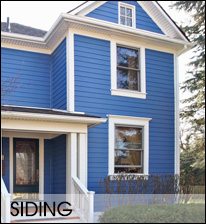
What James Hardie Siding looks like in Pomfret
Most Pomfret jobs we see are on antique or antique-style homes — center-chimney Colonials, old farmhouses, a fair number of barns and outbuildings converted to living or storage space. Board width and reveal matter here more than in a subdivision, because the house was designed around a specific clapboard proportion, usually 4 or 5 inches. We spec Hardie’s HardiePlank in a matching exposure, and on homes with fish-scale or shingle detail in the gables we’ll run HardieShingle to keep that texture instead of switching to a flat panel out of convenience.
Color is the other decision point. ColorPlus finish is baked on at the factory, backed by its own finish warranty, and it holds up better than field-applied paint against UV and moisture cycling — which matters on a property with mature tree cover and a lot of dappled shade, where paint tends to mildew before it fades. Field painting is still an option for owners who want an exact custom match to trim already on the house, or who are matching a historic color that isn’t in the ColorPlus line, but we tell people up front it will need repainting on a normal paint cycle where ColorPlus won’t.
Fiber cement is also the material a lot of Pomfret owners land on for reasons that have nothing to do with looks: it’s noncombustible, it doesn’t dent from hail or thrown debris the way vinyl does, and on a property backed up to woods or with a long tree-lined drive, that fire and impact performance is part of the pitch, not an afterthought.
What we account for on Pomfret homes
Older clapboard behind the existing exterior
One of the first things to check on an older Pomfret house is what sits behind the current siding. A 1970s or 1980s exterior may have been installed over original wood clapboard. Removing it can reveal damaged boards, uneven areas, or sections that need repair before the new siding can be installed. The condition of that layer is part of the project, not something to ignore until the end.
Heavy material on an older wall
Fiber cement is heavier than the lightweight siding it may be replacing. That means the wall surface and fastening locations need to be considered before installation. The crew accounts for the existing substrate, checks areas where the old exterior has failed, and plans the installation around the actual condition of the house rather than assuming every wall is sound.
Cutting and dust control
Fiber cement needs to be cut to fit around windows, doors, corners, and other details. Cutting produces dust, so the work area has to be managed accordingly. That means using appropriate cutting methods and keeping dust from spreading unnecessarily around the property. The goal is to keep the installation controlled while producing accurate cuts for the exterior details.
ColorPlus or field-applied paint
Pomfret homeowners have two basic finish approaches to consider. ColorPlus siding arrives with a factory-applied finish, while primed siding can be painted after installation. James Hardie says ColorPlus finishes are cured in a controlled factory environment and are designed to provide consistent color and improved resistance to UV-related fading. The right choice depends on the look you want, the available colors, and how you want the finished project handled. We can price the options as part of the estimate.
What we account for on Pomfret homes
Site visit and scope
Every Pomfret quote gets adjusted for a handful of things that show up on this housing stock again and again.
Remove, Prepare, Install
How the job runs
A Pomfret Hardie job runs longer than a comparable vinyl job on the same house, mostly because of prep and cutting, not because the crew works slower.
Assessment and material takeoff. We walk the whole exterior, note trim and reveal detail, and check what’s under the existing siding where we can. On a house this old we budget time for this instead of guessing from the street.
Tear-off and sheathing check. Old siding comes off in sections, not all at once, so the house isn’t open to weather overnight on a property where the nearest backup shelter is a barn, not another house. Sheathing gets inspected and repaired before anything new goes up.
Cutting, install, and finish. Fiber cement is scored-and-snapped or shear-cut outside with dust control, since dry-cutting it with a standard saw throws silica dust nobody wants on a Pomfret lawn. Boards go up, trim gets finished, and ColorPlus touch-up or field paint gets applied at seams last. A full re-side on an average Pomfret house runs several days to two weeks depending on square footage, layout complexity, and how much of the old wall system needs repair before we can hang new siding.
Detail work and final check
Connecticut licensing on this job
Pomfret is Connecticut, not Massachusetts, and the two states don’t share licensing. Before we quote a Hardie job here we confirm our Connecticut Home Improvement Contractor registration covers the scope, and we pull the local permit the same way a Connecticut-based crew would. Homeowners comparing quotes should ask any contractor working in the Quiet Corner to show that registration — it’s a legal requirement for this work in this state, not paperwork we’re adding for show.
Recent work in and around Pomfret
A typical job we run in this area is a full re-side on an antique Colonial or farmhouse where the existing siding — usually old aluminum or a first-generation vinyl install from the 80s or 90s — has failed at the corners and around window trim. The homeowner wants the original clapboard look back rather than a modern panel look, so we match reveal and run true corner boards instead of pre-formed corner posts. We don’t publish customer names or addresses, but this is the job type that makes up most of our Pomfret and Quiet Corner calls, and it’s the one Hardie is built for.
Other services we provide in Pomfret
Not every Pomfret house needs a full Hardie re-side. If the existing siding just has isolated damage, our siding repair service can patch it without touching the rest of the wall. If the whole exterior is due for replacement but the budget points toward vinyl instead of fiber cement, we quote both — see our vinyl siding installation and siding replacement pages for how those compare. We also handle seamless gutters and replacement windows and doors, both of which usually come up in the same conversation as siding once the old trim is exposed.
Frequently Asked Questions
Is James Hardie siding worth the extra cost over vinyl in Pomfret?
On the antique housing stock common in Pomfret, most owners choose it for the trim and reveal match plus the fire and impact performance, not price. It costs more per square foot than vinyl and takes longer to install, but it holds paint and color better long term and won't warp or melt the way vinyl can near grills or fire pits, which matters on wooded lots with a lot of outdoor living space.
Does Massachusetts or Connecticut licensing apply to a job in Pomfret?
Connecticut rules apply. Pomfret is in Connecticut's Quiet Corner, so the job falls under Connecticut Home Improvement Contractor registration and Connecticut permitting, not Massachusetts. We confirm our CT registration covers the scope before we quote, and any contractor you're comparing should be able to show the same.
What if you find rot or old lead paint behind the siding on my Pomfret house?
On houses this age it happens often enough that we plan for it. If we find rotted sheathing, we repair or replace it before hanging new siding, and that gets priced as a separate line item once we can see the extent of it. If old lead paint is present on trim or sheathing, we follow EPA RRP lead-safe work practices for containment and cleanup, which is standard procedure on pre-1978 housing.
How long does a full Hardie siding job take on a house like mine in Pomfret?
Most full re-sides run several days to two weeks, depending on square footage, how much trim detail we're matching, and whether the sheathing needs repair. Long service drives and tree-covered lots don't add time to the install itself, but we do factor drive time into scheduling since Pomfret is roughly 16 miles from our Pomfret shop.
Do you use ColorPlus finish or paint the siding on site?
We spec ColorPlus factory finish by default because it holds up better than field paint against UV and shade-driven moisture, which is common on Pomfret's tree-covered lots. We'll field-paint when an owner needs an exact custom match to existing trim or a historic color outside the ColorPlus line, with the understanding that it will need repainting sooner than ColorPlus would.
Free estimates in Pomfret
We’re based in Pomfret, Massachusetts, about 16.1 miles from Pomfret Street. That’s a real drive, not a next-town-over hop, so we schedule Pomfret and the wider Quiet Corner in batches to keep travel time from padding your quote. Estimates are free. Call (508) 506-8957 and tell us the house is in Pomfret — we’ll ask a few questions about age and current siding material, set up a walk-through, and follow up with a written quote that spells out material, labor, and timeline before you commit to anything.