


James Hardie Siding in Rutland, MA
Rutland’s center and the roads running out toward Barre Falls Dam are lined with antique colonials and capes, a lot of them pre-1900, sitting on open lots with no real windbreak. That exposure matters more than most homeowners think until wind-driven rain gets behind a weak seam or an old wall starts to show rot at the corners. Fiber cement handles that wind load and moisture exposure better than most of what’s currently on these houses, which is usually why we get the call in the first place.

What James Hardie Siding looks like in Rutland
James Hardie fiber cement is a cement, sand, and cellulose fiber product, not a plastic panel. It weighs roughly four to five times what vinyl siding weighs per square, which changes how a house has to be prepped and framed before a single board goes up. On a lot of Rutland’s older farmhouses and capes, the original sheathing was never built to carry that load, so furring strips or a plane-correcting strategy usually come first.
We cut Hardie board with fiber-cement shears or a saw fitted with a HardieBlade and a dust-collecting shroud, working outside and away from open windows. That’s not optional on a job site with a family living in the house — the silica dust from dry-cutting without containment is a real health issue, and we treat it that way.
Most Rutland customers choose factory-applied ColorPlus finish over field paint. ColorPlus is baked on at the plant with a coating warranty that runs longer than anything a painter can guarantee on site, and it holds color better through the freeze-thaw cycles this part of Worcester County gets every winter. Field-painted board still has its place — usually when we’re matching a custom historic color for a house near a local commission district — but for most homeowners here, ColorPlus is the simpler and more durable call.
Fire resistance and impact resistance are the other two reasons this product shows up so often in Rutland quotes. Fiber cement doesn’t ignite from an ember the way some other siding materials can, and it stands up to hail and the odd thrown branch far better. On properties with long tree lines and real distance from a hydrant, that fire performance carries weight with insurers, not just homeowners.
What we account for on Rutland homes
Older clapboard behind the existing exterior
One of the first things to check on an older Rutland house is what sits behind the current siding. A 1970s or 1980s exterior may have been installed over original wood clapboard. Removing it can reveal damaged boards, uneven areas, or sections that need repair before the new siding can be installed. The condition of that layer is part of the project, not something to ignore until the end.
Heavy material on an older wall
Fiber cement is heavier than the lightweight siding it may be replacing. That means the wall surface and fastening locations need to be considered before installation. The crew accounts for the existing substrate, checks areas where the old exterior has failed, and plans the installation around the actual condition of the house rather than assuming every wall is sound.
Cutting and dust control
Fiber cement needs to be cut to fit around windows, doors, corners, and other details. Cutting produces dust, so the work area has to be managed accordingly. That means using appropriate cutting methods and keeping dust from spreading unnecessarily around the property. The goal is to keep the installation controlled while producing accurate cuts for the exterior details.
ColorPlus or field-applied paint
Rutland homeowners have two basic finish approaches to consider. ColorPlus siding arrives with a factory-applied finish, while primed siding can be painted after installation. James Hardie says ColorPlus finishes are cured in a controlled factory environment and are designed to provide consistent color and improved resistance to UV-related fading. The right choice depends on the look you want, the available colors, and how you want the finished project handled. We can price the options as part of the estimate.
What we account for on Rutland homes
Site visit and scope
Rutland’s mix of older farmhouses and newer builds means no two siding jobs are quite alike. We factor in wall condition, insulation needs, and how each home sits on its lot before recommending a James Hardie profile and finish.
- Existing wall surface and moisture concerns
- Trim, soffit, and fascia condition
- Color and style fit for the property
Remove, Prepare, Install
Out-of-square framing on antique houses
Houses built before 1900 rarely have a true, flat wall plane. Settling, hand-cut framing, and a century of repairs leave bows and twists that a rigid fiber cement board will telegraph if you nail it straight to the studs. We shim and fur the wall first, checking with a straightedge bay by bay, so the finished siding reads flat even when the framing underneath isn’t.
Detail work and final check
Wind exposure on open lots
A lot of Rutland properties sit on long, open approaches with fields or tree lines set well back from the house — there’s no neighboring structure breaking the wind. We follow tighter fastener schedules and use the correct nail penetration into structural framing on these exposed elevations, because a fastening pattern that’s fine on a sheltered in-town lot will work loose here over a few winters.
Historic district review
Rutland’s town center falls under design review for some exterior work. Where that applies, we confirm profile, exposure, and color approval before ordering material, so the job doesn’t stall waiting on a submission we should have filed at the estimate stage.
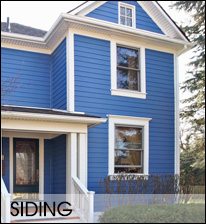
What's behind the old siding
On pre-1950 houses we routinely find board sheathing, old horsehair-and-lime insulation, or evidence of prior lead-paint layers once we strip the existing siding. We stop, document it, and walk the homeowner through the options before closing the wall back up — that’s a separate conversation from the siding install itself, and we don’t skip it to keep a schedule.
Frequently Asked Questions
Why do homeowners in Rutland choose James Hardie over vinyl?
Mostly wind exposure and age of the house. Rutland has a lot of open, unsheltered lots and older wall framing that vinyl's lighter, flexible panel doesn't always suit as well as a rigid fiber cement board. Fire and impact resistance are the other two reasons that come up most.
Does Hardie siding need a historic district review in Rutland?
Some properties near the town center do. We check this during the site walk and file for approval on profile, exposure, and color before ordering material, so it doesn't hold up the schedule later.
What do you find when you strip old siding off a Rutland house?
On pre-1950 houses, often board sheathing, older insulation types, and sometimes evidence of lead paint under prior siding layers. We stop and walk you through it before closing the wall, rather than covering it back up.
How much does James Hardie siding cost in Rutland compared to vinyl?
Fiber cement generally runs higher per square than vinyl siding, largely due to material cost and the added labor for cutting, dust control, and furring on out-of-square walls. We give you both numbers at the estimate so you can compare directly.
How long does a James Hardie job take on a typical Rutland house?
Most houses run 5 to 9 working days once tear-off starts. Houses with significant furring or sheathing repair take longer, and we quote that range specifically once we've seen the walls.
How the job runs
Site walk and measurement. We check every elevation for square, moisture damage, and existing fastening, and note where furring will be needed. This is also when we flag anything that might need historic review.
Tear-off and substrate repair. Old siding comes off in sections, not all at once, so the house isn’t fully exposed overnight. Any rot, failed sheathing, or old insulation issues get addressed here before new material goes up.
Installation and finish. Furring, weather barrier, and Hardie board go up elevation by elevation, with trim and corners finished last. A typical Rutland house — 1,800 to 2,600 square feet with normal prep needs — runs about 5 to 9 working days. Houses needing significant furring or sheathing repair run longer, and we tell you that at the estimate, not partway through the job.
Recent work in and around Rutland
A common job on this stock is a full tear-off of failed 1970s or 1980s vinyl on a cape or antique colonial, where the original clapboard or board sheathing underneath needs assessment before fiber cement goes on. Furring and plane correction often end up taking as long as the siding installation itself, because the wall has to be made straight before Hardie board will sit right. We size these jobs individually rather than quoting off a flat per-square rate, since two houses of the same square footage can need very different amounts of prep work.
Other services we provide in Rutland
Fiber cement isn’t the right fit for every budget or every house, and we quote both. If you want to compare it against a vinyl option, our vinyl siding installation page covers that side of it. If your existing siding just needs patching rather than a full tear-off, see our siding repair page, and if you’re already decided on a full replacement, our siding replacement page walks through that decision separately. We also handle seamless gutters and replacement windows and doors for Rutland homeowners doing more than one exterior project at once — bundling gutters or windows into a siding job usually saves a mobilization trip.
Free estimates in Rutland
Rutland is 17.9 miles from Rutland, and we run estimates out there regularly. Call (508) 506-8957 for a free, no-pressure estimate. We’ll walk the exterior, check for furring and prep needs specific to your house, and give you a written number before we leave — not a follow-up call three days later. If historic review applies to your property, we’ll flag that at the same visit.