


James Hardie Siding in Westborough, MA
If you own a colonial off Lyman Street or a raised ranch near Lake Chauncy and the vinyl is chalking, gapping at the corners, or cracked from a hailstorm you can’t quite remember, the question isn’t whether to re-side. It’s whether to put vinyl back up or step up to something that won’t be back on your to-do list in fifteen years. Westborough’s housing stock skews newer than most of our service area, plenty of 1990s and 2000s colonials alongside older capes, and a lot of the original siding on those homes was builder-grade vinyl that’s now faded unevenly on the sun side. James Hardie fiber cement is the upgrade path homeowners here ask about most, and it’s worth understanding what it actually involves before you compare quotes.

What James Hardie Siding looks like in Westborough
Fiber cement is not vinyl with a better name. It’s a cement, sand, and cellulose fiber board that’s roughly four to five times heavier per square foot than vinyl panel, which changes how it’s shipped, staged, cut, and hung. On a typical Westborough colonial that means pallets staged on the driveway or side yard rather than carried up piecemeal, and it means our crew is cutting boards with saws fitted for dust control, not snapping vinyl coil stock with tin snips.
The other decision point homeowners in this town care about more than most is finish. James Hardie’s ColorPlus baked-on finish is factory-applied and carries its own warranty against fading and peeling, and it’s what most Westborough buyers choose because it matches the low-maintenance expectation they had with vinyl. Field-painted Hardie is also an option, usually for homeowners matching a specific historic color or touching in around existing masonry, but it means a paint job and paint maintenance down the line. We walk both options with every homeowner because the price difference matters and the maintenance difference matters more over ten years.
Panel profile is the other conversation. Most Westborough colonials and capes look right in HardiePlank lap siding with a 7-inch exposure, close to what the original vinyl clapboard mimicked, though some newer builds in the Flanders Road and Fisher Street areas carry board-and-batten or shingle-style accents on gables that we match separately. We also account for fire and impact performance here specifically because several newer subdivisions in town sit closer together than the older lots, and fiber cement’s noncombustible core and impact rating come up in insurance conversations more in Westborough than in some of our more rural towns.
What we account for on Westborough homes
Older clapboard behind the existing exterior
One of the first things to check on an older Westborough house is what sits behind the current siding. A 1970s or 1980s exterior may have been installed over original wood clapboard. Removing it can reveal damaged boards, uneven areas, or sections that need repair before the new siding can be installed. The condition of that layer is part of the project, not something to ignore until the end.
Heavy material on an older wall
Fiber cement is heavier than the lightweight siding it may be replacing. That means the wall surface and fastening locations need to be considered before installation. The crew accounts for the existing substrate, checks areas where the old exterior has failed, and plans the installation around the actual condition of the house rather than assuming every wall is sound.
Cutting and dust control
Fiber cement needs to be cut to fit around windows, doors, corners, and other details. Cutting produces dust, so the work area has to be managed accordingly. That means using appropriate cutting methods and keeping dust from spreading unnecessarily around the property. The goal is to keep the installation controlled while producing accurate cuts for the exterior details.
ColorPlus or field-applied paint
Westborough homeowners have two basic finish approaches to consider. ColorPlus siding arrives with a factory-applied finish, while primed siding can be painted after installation. James Hardie says ColorPlus finishes are cured in a controlled factory environment and are designed to provide consistent color and improved resistance to UV-related fading. The right choice depends on the look you want, the available colors, and how you want the finished project handled. We can price the options as part of the estimate.
What we account for on Westborough homes
Site visit and scope
Newer subdivisions with tighter setbacks
Homes built from the 1990s onward in developments off Chauncy Lake Drive and similar streets often sit closer to the property line than the older capes near downtown. We plan staging and dust containment accordingly, keeping cut stations away from neighboring yards and covering plantings before saw work starts.
Mixed original siding underneath
Some capes and split-levels from the 1960s and 70s still have original wood clapboard or board sheathing behind a vinyl overlay installed decades ago. Fiber cement needs a sound, flat substrate, so we pull test sections during the estimate to see what’s actually there before we quote a number, not after the crew shows up.
HOA and neighborhood color expectations
A few of Westborough’s newer developments have informal or formal expectations about exterior color consistency. ColorPlus finishes come in a fixed palette, so we go over the available colors early rather than after material is ordered, which avoids a delay nobody wants mid-project.
Weight load on older fascia and trim
Fiber cement’s added weight means we check fascia boards and existing trim condition before hanging new J-channel and corner posts, especially on homes over 40 years old where trim was never upgraded. Where trim is soft or rotted we replace it as part of the job rather than fastening new siding to compromised wood.
Remove, Prepare, Install
How the job runs
Estimate and substrate check
We measure the home, check what’s under the existing siding where we can access it, and give you a written quote that separates material grade, ColorPlus versus field paint, and labor. Most Westborough estimates take under an hour on site.
Tear-off and prep
Old siding comes off, sheathing gets inspected and repaired where needed, and weather barrier goes up before a single Hardie board is cut. On an average 2,000 to 2,800 square foot colonial this stage runs one to two days.
Installation and cleanup
Boards are cut off-site or in a dedicated dust-controlled zone, hung with corrosion-resistant fasteners at Hardie’s specified spacing, and trim and corners finished to match. A typical Westborough full re-side runs four to seven working days depending on size and how many elevations need trim replacement, weather permitting, and we haul all debris same-day.
Detail work and final check
Cost is the first question most homeowners ask, and the honest answer is that fiber cement runs higher than vinyl per square foot, both in material and in labor, because of the cutting equipment, the weight, and the finish work. It’s a bigger number up front. What you’re buying against that number is a 30-year manufacturer warranty on the board itself, a finish that resists fading better than most vinyl over the same span, and a material that doesn’t soften or warp in summer heat the way some vinyl does on south and west exposures, which matters on the more open lots common in this town.
Recent work in and around Westborough
A common job we run in this town is a full tear-off on a 1990s or 2000s colonial where the original vinyl has gone chalky and uneven, paired with a switch to HardiePlank lap siding in a ColorPlus finish close to the original color so the transition doesn’t clash with existing trim or shutters. On older capes near the town center, the job more often includes a substrate check first, since some of these homes still have original wood siding under a later vinyl layer that needs to come off before Hardie can go up correctly. We don’t invent case studies here — every job is different, and what you get from us is a straight assessment of what’s actually on your walls before we tell you what it’ll cost to fix it.
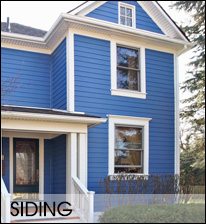
Other services we provide in Westborough
Not every Westborough home needs a full fiber cement upgrade. If your siding is sound but a section took storm damage, our siding repair service handles targeted fixes without a full tear-off. If you’re leaning toward staying with vinyl for cost reasons, we also handle straightforward vinyl siding installation, and for homeowners doing a full exterior refresh, our siding replacement page covers the tear-off and decision process in more depth. We also install and repair seamless gutters and replace windows and doors, which most Westborough homeowners bundle into a siding project since scaffolding and staging are already in place.
Frequently Asked Questions
How much does James Hardie siding cost in Westborough compared to vinyl?
Fiber cement typically runs higher per square foot than vinyl, in both material and labor, because of the heavier board, specialized cutting, and finish work. Exact numbers depend on square footage, trim condition, and whether you choose ColorPlus or field-painted board. We give a written breakdown at the estimate so you can compare it directly against vinyl quotes.
How long does a full James Hardie installation take on a Westborough home?
Most colonials and capes in the 2,000 to 2,800 square foot range take four to seven working days from tear-off to finished trim, weather permitting. Larger homes or jobs needing extensive trim replacement can run longer.
What happens if you find rot or old wood siding under our vinyl?
On a lot of Westborough homes, especially capes built before 1980, there's original wood clapboard or board sheathing under a later vinyl layer. If we find rot or damaged sheathing during tear-off, we stop, show you what we found, and quote the repair before continuing. We don't fasten new siding over compromised substrate.
Does James Hardie siding hold up to Westborough winters and storms?
Yes. Fiber cement resists cracking from freeze-thaw cycles better than most vinyl and carries a strong impact rating, which matters given the hail and wind events this area sees a few times most years. It's also noncombustible, which some homeowners in newer, closer-set subdivisions specifically ask about.
Should we choose ColorPlus finish or field-painted Hardie board?
Most Westborough homeowners choose ColorPlus, the factory-baked finish, because it comes with its own fade warranty and needs no repainting for years. Field paint makes sense mainly if you're matching a specific existing color or trim scheme. We go over both options and their long-term maintenance during the estimate.
Free estimates in Westborough
Westborough is about 16.5 miles from our Westborough shop, an easy trip for us, no travel surcharge, no subcontracted crew. We give free, no-pressure estimates and put grade, finish, and labor on paper before you decide anything. Call (508) 506-8957 and we’ll set a time to come look at your home. After the call, expect a site visit where we check the existing siding and substrate, a written quote within a few days, and a start date that we hold to. We’ve been doing this in Worcester County long enough to have earned Angie’s List Super Service Awards from 2013 through 2019, and we’re licensed and insured for every job we quote.